
What colour should I dye my hair?
Picking a hair colour is a highly personal choice. Don't get overwhelmed by the vast range of possibilities: follow our handy tips and find the colour that suits you!
In this guide to picking hair colour, we’ll explore how to pick the right hair colour depending on skin tone and personal style, so you can find the perfect shade.
How to pick a hair colour: Key takeaways
- The best way to decide what hair colour suits you is by matching undertones: warm skin suits golden shades, cool skin suits ashy tones.
- If you’re wondering what hair colour fits your skin tone, use simple tests like checking your veins or seeing whether gold or silver jewellery flatters you more.
- Stay within two shades of your natural colour for the most flattering, low-maintenance result.
- When picking a hair colour, consider your lifestyle – very light, red, or bold shades often require more upkeep.
- If unsure what colour to dye hair, start with subtle changes like highlights or balayage and opt for semi-permanent options.
- Still unsure? Why not try our Virtual Try-On before committing to a hair colour?
What hair colour suits me?
Whether you’re a home-dye expert or it’s the first time you take the plunge into the colourful world of hair dyes, picking a hair colour can be an exciting but also scary process. You might be thinking: What hair colour is right for me? What if my chosen hair shade doesn’t look good against my skin? Why don’t I look good as a blonde?First off, no need to panic. Choosing a new hair colour is never easy, but with our guide and helpful tips, you can find a hair colour that suits your skin tone, original hair colour, and matches your desired aesthetics.
Our Step-by-Step Guide on how to pick the right hair colour
Step 1: ask what hair colour fits my skin tone?
The first thing you should do when thinking about changing hair colour is to identify your skin undertone. This is key to choosing a shade that enhances your complexion rather than clashing with it.Not sure what your undertone is? Here are a few simple ways to find out before picking your dye:
- Check your veins: look at your wrist in natural light. If your veins appear green, you likely have a warm undertone; if they look blue or purple, you’re cool-toned; if it’s hard to tell, you’re probably neutral.
- Jewellery test: gold jewellery tends to flatter warm skin tones, while silver suits cooler tones. If both look good, you likely have a neutral undertone.
- Warm skin tones (golden, peachy, yellow, olive): suit warm shades like honey blonde, caramel, copper, and golden brown.
- Cool skin tones (pink, red, bluish): suit cooler shades like ash blonde, platinum, cool brown, and burgundy.
- Neutral skin tones: you’re in for a treat as you can wear both warm and cool shades – making it easier to experiment with hair colour!
Step 2: don’t stray too far from your natural colour
Once you’ve worked out what hair colour fits your skin tone, the next step in picking a hair colour is to use your natural shade as a guide.As a general rule, staying within two shades lighter or darker than your natural hair colour will give you the most flattering and natural-looking result. Your natural colour already complements your skin tone, so subtle shifts tend to enhance your features rather than overpower them.
If you’re unsure what colour you should dye your hair, start small – think soft highlights, lowlights, or a tonal gloss – before committing to a dramatic change.
Step 3: decide how bold you want to go
When asking “what hair colour is right for me?”, it’s important to consider how noticeable you want the change to be. This is where you can really play with your style and personality. Do you want to go bold and bright or demure and au naturel?- For a low-commitment, natural look, opt for shades close to your base colour
- For a visible but balanced change, go one to two shades lighter or darker
- For a bold transformation, explore contrasting tones – but keep your undertone in mind to maintain harmony
Widget:
Step 4: consider maintenance and lifestyle
The best hair colour for you isn’t just about how it looks on day one – it’s also about how easy it is to maintain and keep vibrant.- Low-maintenance shades: picking a hair colour close to your natural colour means a softer regrowth and fewer touch-ups or toning.
- Higher-maintenance shades: going for lighter blondes requires bleaching and toning with purple shampoos; picking reds which fade more quickly means you’ll have to refresh and upkeep more frequently; opting for bold tones may require frequent touch-ups.
Step 5: personalise with multi-dimensional colour
Still unsure which hair colour to pick? Why not consider techniques that blend multiple tones? This approach creates a softer, more natural finish and can be more forgiving as your hair grows out. So, instead of dying your whole head, opt for:- Balayage: a freehand technique that creates a natural, sun-kissed effect with soft regrowth.
- Highlights: lighter strands placed throughout the hair to add brightness and dimension.
- Lowlights:darker tones woven through the hair to create depth and contrast.
- Ombré: a gradient effect that transitions from darker roots to lighter ends for a more dramatic look
Best hair colour for warm skin tones
If you have warm undertones, the best hair colour for warm skin tone includes shades that enhance golden and yellow hues in your complexion. These colours reflect light beautifully and create a healthy, radiant finish. Try:- Garnier Nutrisse Permanent Hair Dye Golden Dark Blonde 6.03 (Permanent) – a rich golden tone that enhances warmth and adds depth to golden or olive skin tones
- Garnier Olia Permanent Hair Dye 9.3 Golden Light Blonde (Permanent) – a luminous golden shade powered by oils that boost shine and complement warm undertones
- Garnier GOOD Permanent Hair Dye 5.32 Burnished Sunset Brown (Permanent) – a warm brown with copper and golden reflects that enhances radiance, adding depth and a sunlit glow to warm skin tones.
Best hair colour for cool skin tones
For cooler undertones, the best hair colour for cool skin tone includes shades with blue or violet bases. These often fall under the ashy spectrum, such as:- Garnier Olia Permanent Hair Dye 10.1 Very Light Ash Blonde (Permanent) – a cool ash blonde with blue-based reflects that helps neutralise brassiness while delivering luminous, high-shine colour.
- Garnier Nutrisse Créme Permanent Hair Dye 5.62 Vibrant Red (Permanent) – a rich violet-based red that enhances cool undertones, adding depth and intensity.
- Garnier Olia Gloss Expensive Brunette (Semi-permanent) – a cool-toned brunette gloss that enhances depth and shine while subtly toning down warmth for a more refined, polished finish.
Best hair colour for neutral skin tones
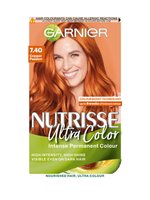
If you have neutral undertones, you have the most flexibility when picking a hair colour. The best hair colour for neutral skin tone can include both warm and cool shades, from beige blondes to soft browns and even trend-led tones. Why not try:- Garnier Olia Bold Permanent Hair Dye 7.40 Intense Copper (Permanent) – a vibrant copper shade that sits between warm and cool, making it especially flattering on neutral skin tones while adding bold, luminous dimension.
- Garnier Olia Permanent Hair Dye 8.0 Blonde (Permanent) – a neutral, classic blonde that doesn’t lean too golden or too ashy, ideal for versatility.
- Garnier GOOD Permanent Hair Dye 4.0 Cacao Brown (Permanent) – a neutral dark brunette with a natural reflect that flatters both warm and cool undertones, making it ideal for neutral skin tones.